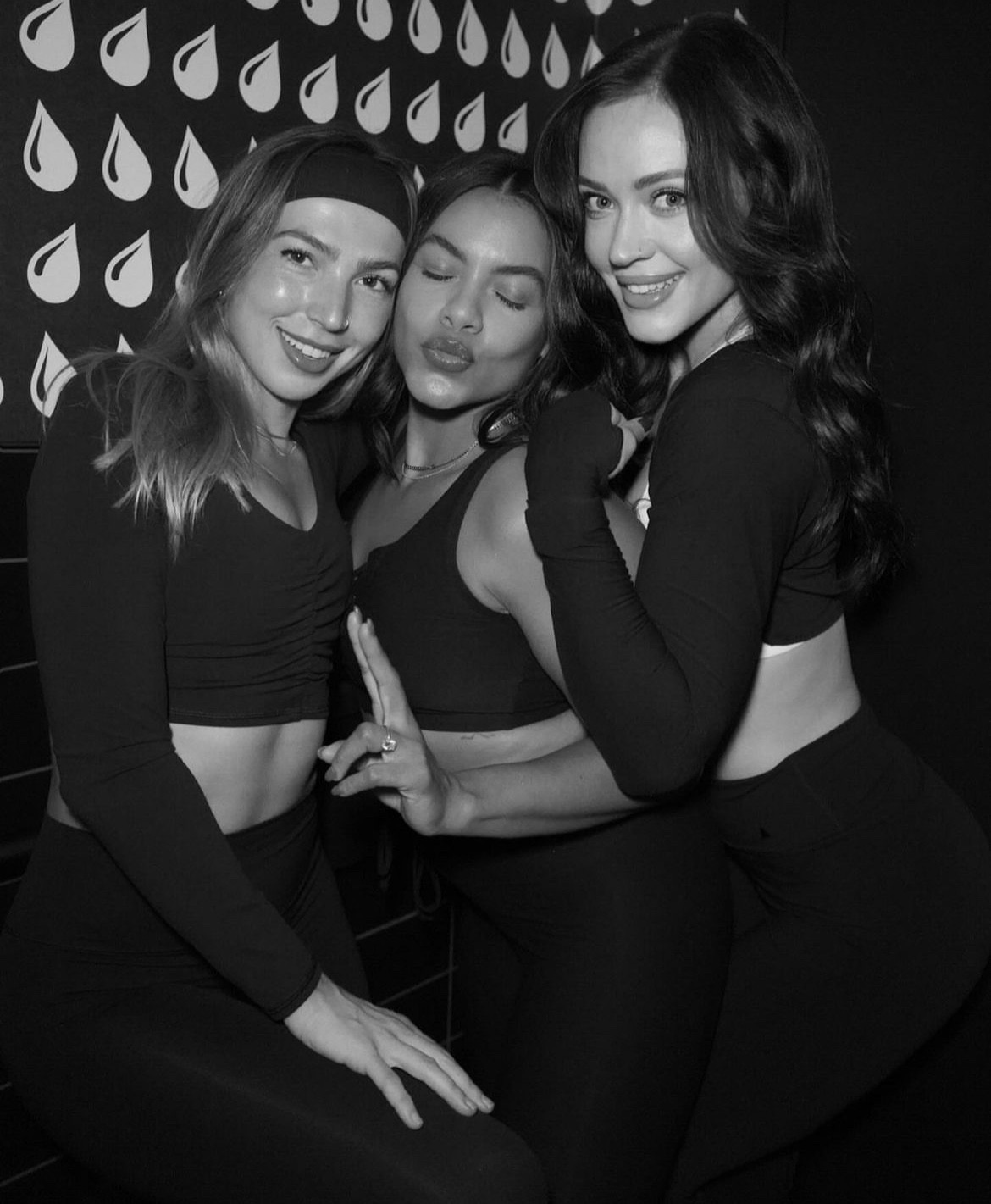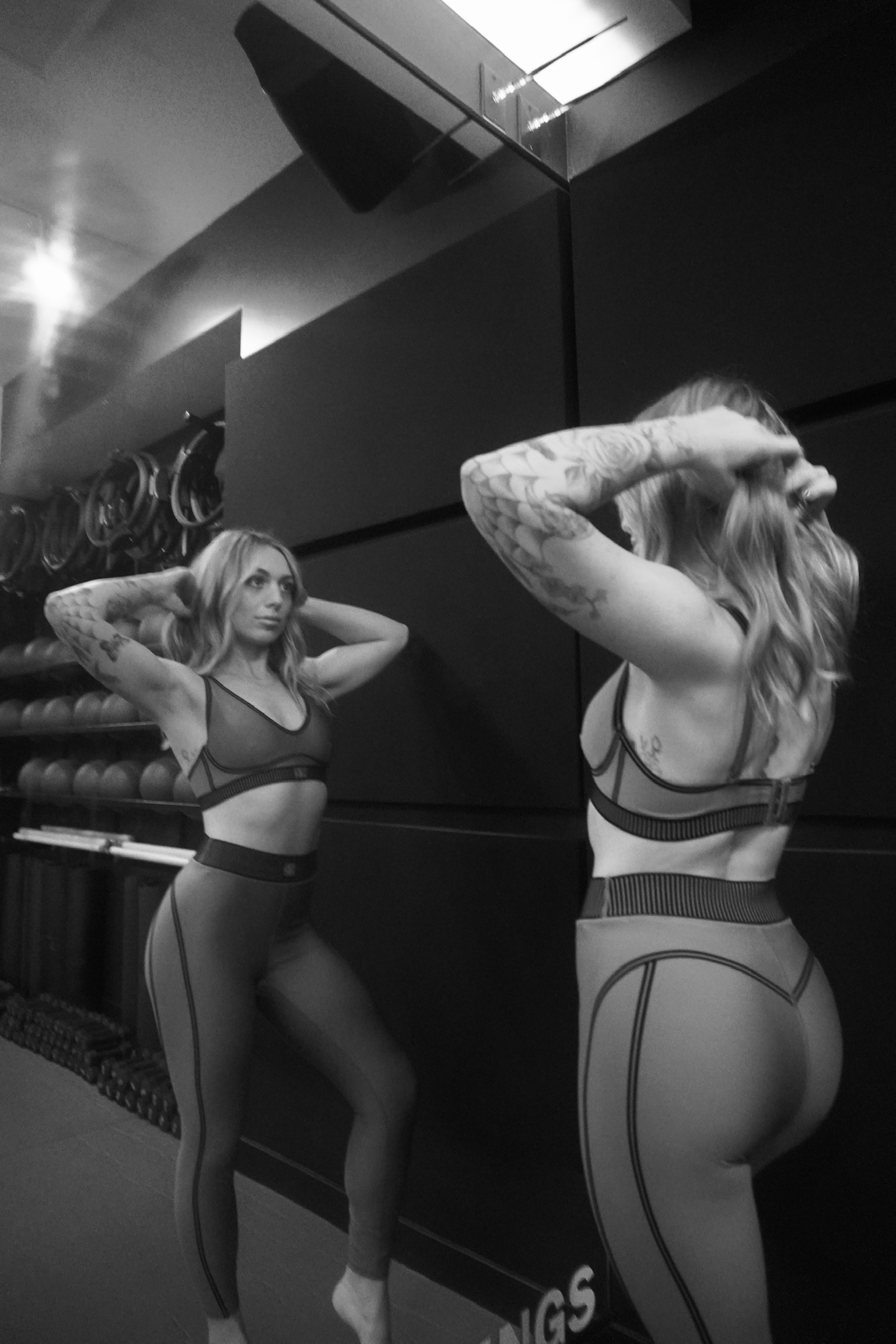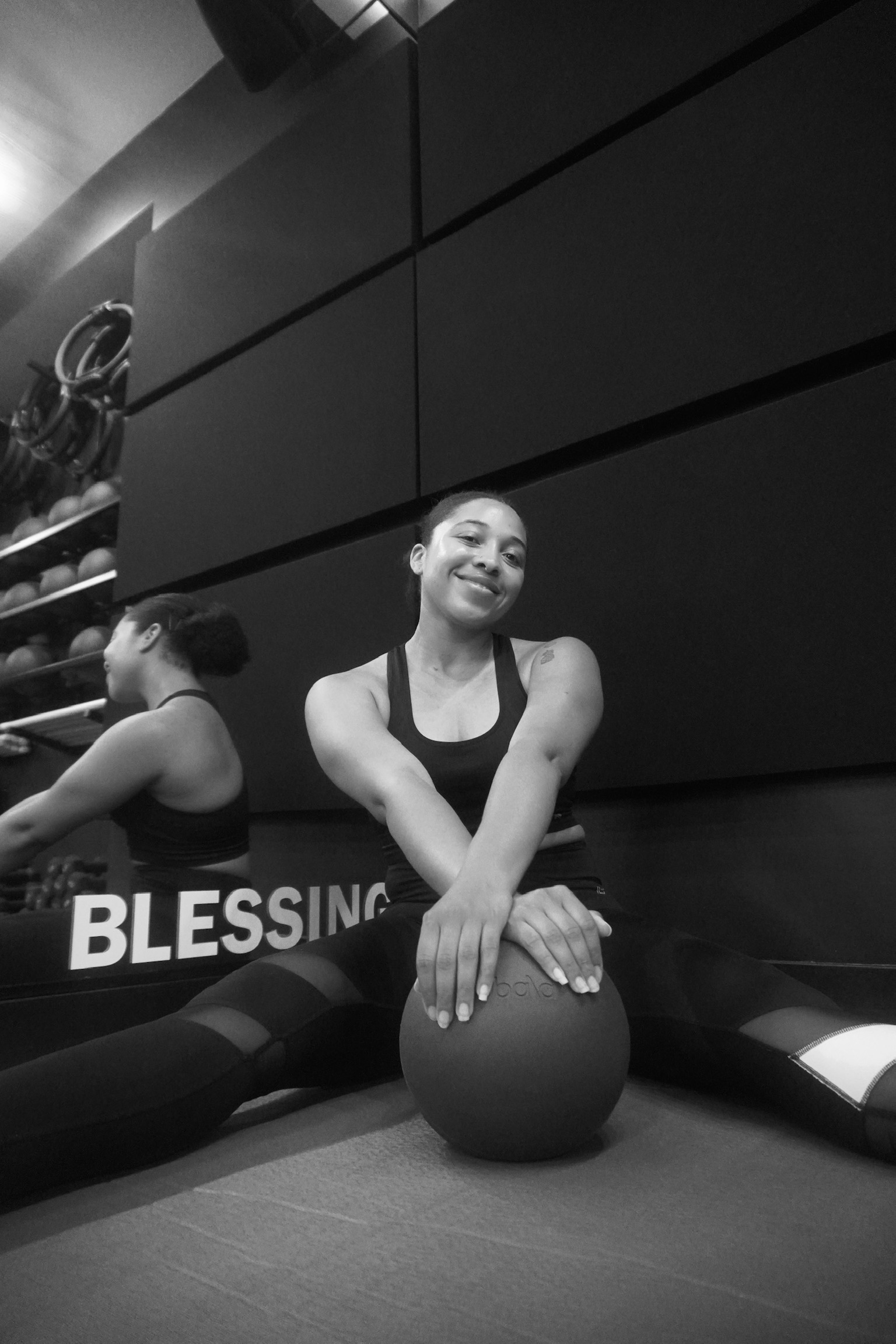



For many guests, the honest answer is yes, but not for the reason most people assume. SALTVAULT of Del Mar offers musically driven, infrared-heated mat Pilates classes built around 50-minute sessions, with studio heat generally set between 85 and 105 degrees. That setup can make class feel more demanding, yet calorie burn still depends heavily on how much work the body is doing from start to finish.
What Actually Drives Calorie Burn
Calories are burned when the body uses energy to move, stabilize, and recover through exercise. Pilates can absolutely contribute to that. Harvard Health’s activity chart shows meaningful calorie use across many gym activities, and mat-based training becomes more demanding as pace, resistance, and total-body involvement increase. In practical terms, a class with continuous movement, resistance tools, and fewer long breaks will usually create a stronger energy demand than a slower, lighter session.
That is why format matters so much. On the SALTVAULT site, SPICE is described as an invigorating, heated-mat Pilates class that uses weights, resistance bands, exercise balls, and the magic circle. SAVOR goes even further, described as a Pilates spin on HIIT workouts in a 95 to 105 degree room, with music blasting, hearts pumping, and whole-body strengthening work designed to boost metabolism and build lean muscle mass. Those details matter because calorie burn increases with effort, pace, and the amount of muscle involved.
What Infrared Heat Adds
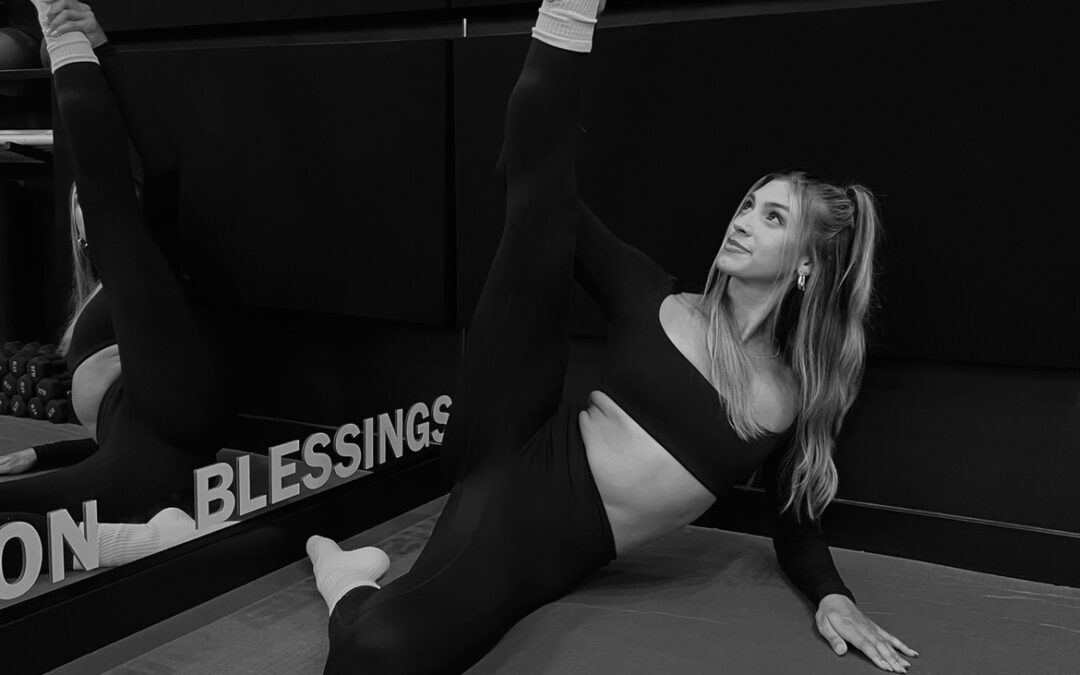
Infrared heat changes the workout environment. SALTVAULT describes its classes as infrared heated, to get the heart pounding and blood pumping while guests sweat, strengthen, and flow for 50 minutes at a time. Warm muscles often feel more responsive, which can help guests move more smoothly and stay engaged through longer sequences.
Still, it is smart to keep one thing clear: more sweat is not the same thing as magical fat loss. Sweating is primarily the body’s way of cooling itself during exercise and heat exposure. Research also shows heat stress changes metabolism during exercise, including a shift toward greater carbohydrate use. So yes, a heated class can feel tougher and may add some physiological demand, but the real driver remains the work being performed, not the puddle on the mat.
Why SALTVAULT’s Class Mix Matters
SALTVAULT’s lineup gives guests more than one path. SPICE leans into heated mat Pilates with a stronger focus on core and resistance. SAVOR brings the most obvious calorie-burning conversation because it blends Pilates with a HIIT-style format and full-body strengthening tools. ZEST removes the heat and centers on spinal movement, trunk strength, and classic Pilates principles such as control, concentration, precision, breath, and flow. That range lets guests choose a class based on whether they want a tougher metabolic push or a more measured session built around form and control.
So, Do Infrared Hot Pilates Classes Boost Calorie Burn?
For many guests, yes. Infrared hot Pilates can boost calorie burn by pairing a warm studio with full-body movement, sustained pacing, props, and, in some classes, interval-style effort. The better takeaway, though, is this: heat can raise the challenge, but the smartest results still come from consistent, well-structured movement. At SALTVAULT of Del Mar, we believe the value of hot Pilates comes from more than sweat alone. It comes from the way infrared heat, music-driven flow, and mat Pilates work together to create a focused workout with real effort behind it. Visit our website to explore our classes and find the format that fits your goals.