

After an injury, flexibility usually does not come back all at once. It returns through the right mix of timing, controlled movement, and patience. Guests coming from La Mesa often ask whether a hot Pilates studio could help. In many cases, it may, but only when the injury has been properly assessed, and the person is ready to resume stretching and strengthening. MedlinePlus notes stretching and strengthening matter during recovery, but starting too soon can make pain worse, which is why a provider or physical therapist should help guide when to begin.
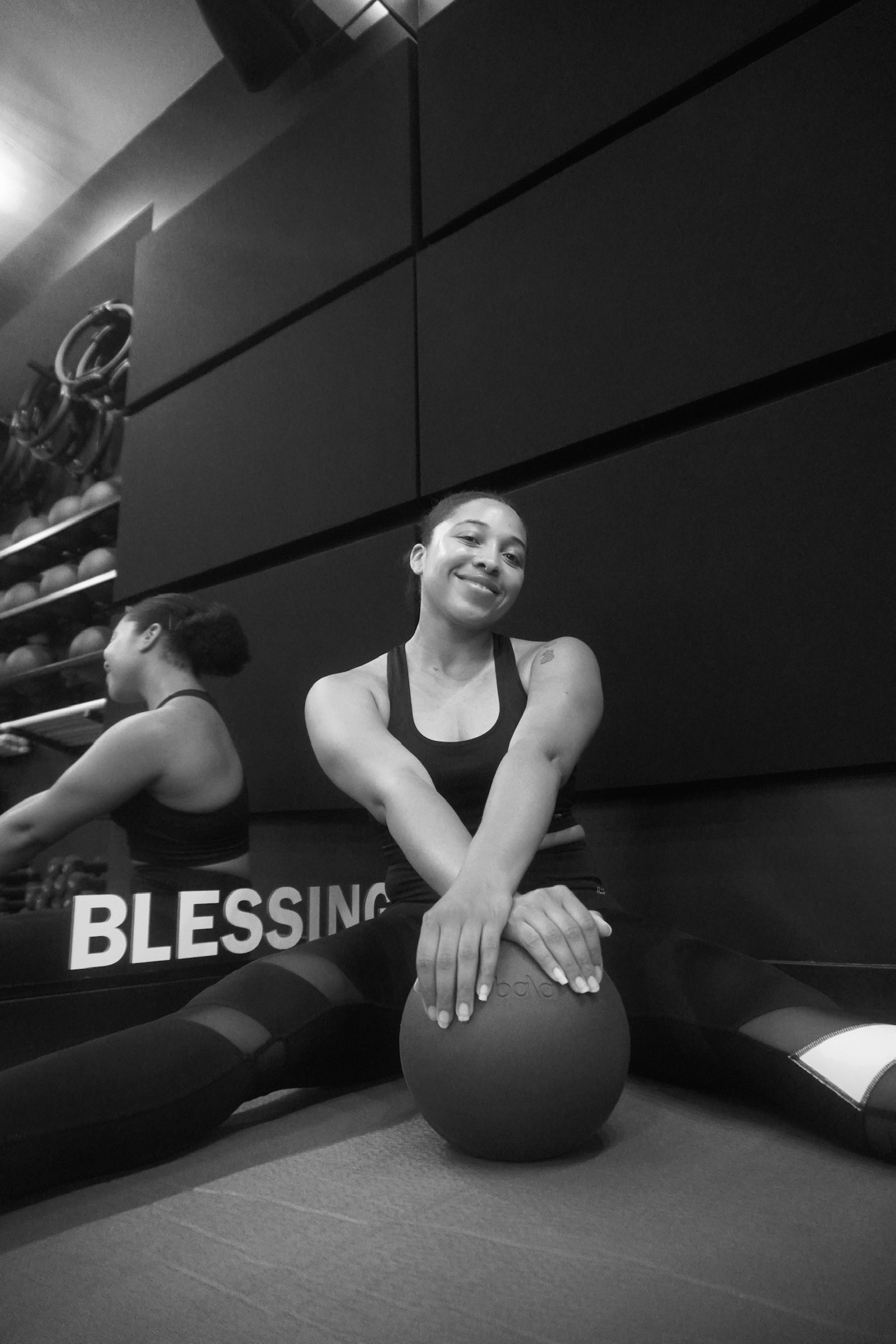
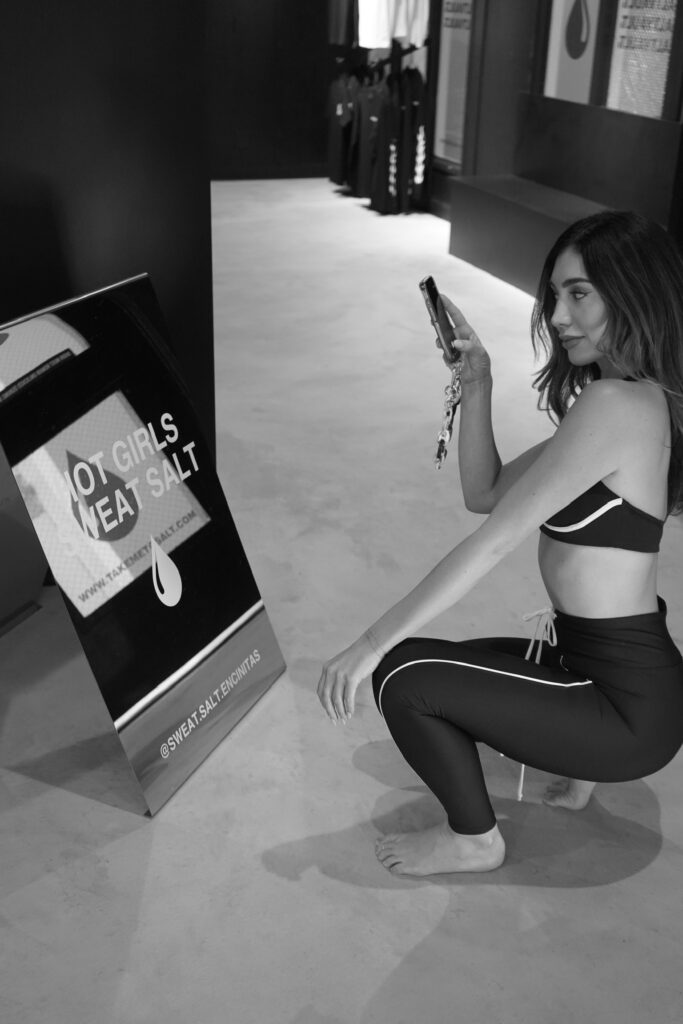
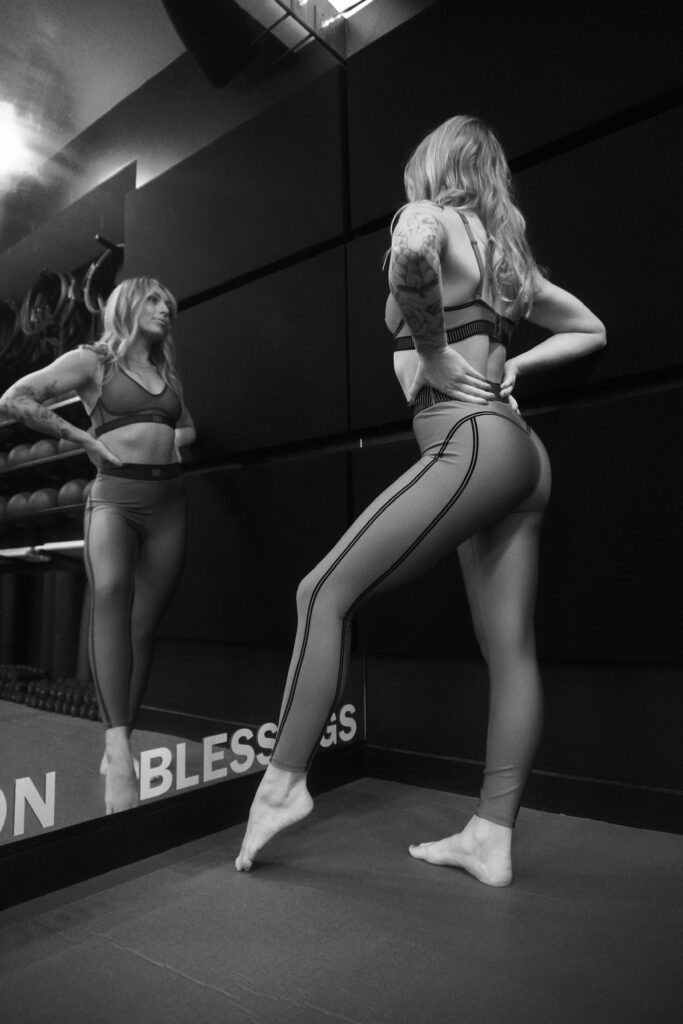
At SALTVAULT of Pacific Beach, our studio is built around low-impact Mat Pilates, music, and infrared heat. Our live site describes SALTVAULT as a musically driven, infrared-heated Mat Pilates studio where guests “sweat, strengthen, and seamlessly flow” through 50-minute classes, with heated sessions generally set between 85 and 105 degrees. That kind of environment matters because flexible work after an injury usually benefits from structure rather than chaos.
Heat can help by making the body feel more ready to move. The Mayo Clinic explains that stretching can improve flexibility and joint range of motion and notes that muscles should be warm before stretching, as stretching cold muscles can do more harm than good. In a heated Pilates setting, many guests feel less stiffness at the start of class and find it easier to move with control rather than forcing a range they do not yet have. Heat is not the cure, but it can make careful movement feel more accessible.
Pilates itself adds another advantage. Cleveland Clinic says Pilates can improve flexibility, strength, and muscle tone, and may help people heal from injuries. That makes sense because Pilates is not built on high-impact effort. It is built on controlled repetition, alignment, and core engagement. At SALTVAULT, even our unheated ZEST class centers on moving the spine, strengthening the trunk, and building knowledge around centering, control, concentration, precision, breath, and flow. Those same principles carry into our heated formats as well.
For someone returning from an injury, flexibility usually improves most when paired with stability. AAOS notes in hamstring rehab that therapy often begins with gentle stretches to improve range of motion, with strengthening gradually added as healing progresses. That idea matters here. A hot Pilates studio may help flexibility after an injury, not because it pushes deeper stretches, but because it can combine gentle mobility, trunk support, and progressive strength in a low-impact setting.
The keyword is gradual. A person recovering from injury does not need to prove anything to the room. We need controlled movement, smart pacing, and good judgment. Heated Pilates can be useful when the body is ready for it, especially for guests who want a structured class without jumping, pounding, or rushed transitions. Still, new pain, sharp pain, or a recent injury should be cleared medically first.
So, how can a hot Pilates studio improve flexibility after an injury? It may help by warming the body, supporting low-impact movement, and pairing mobility work with the control and strength Pilates is known for. At SALTVAULT of Pacific Beach, we offer that kind of focused environment every day. If you are looking for a thoughtful way to rebuild movement after recovery has begun, our infrared-heated Mat Pilates classes offer a steady place to start.